
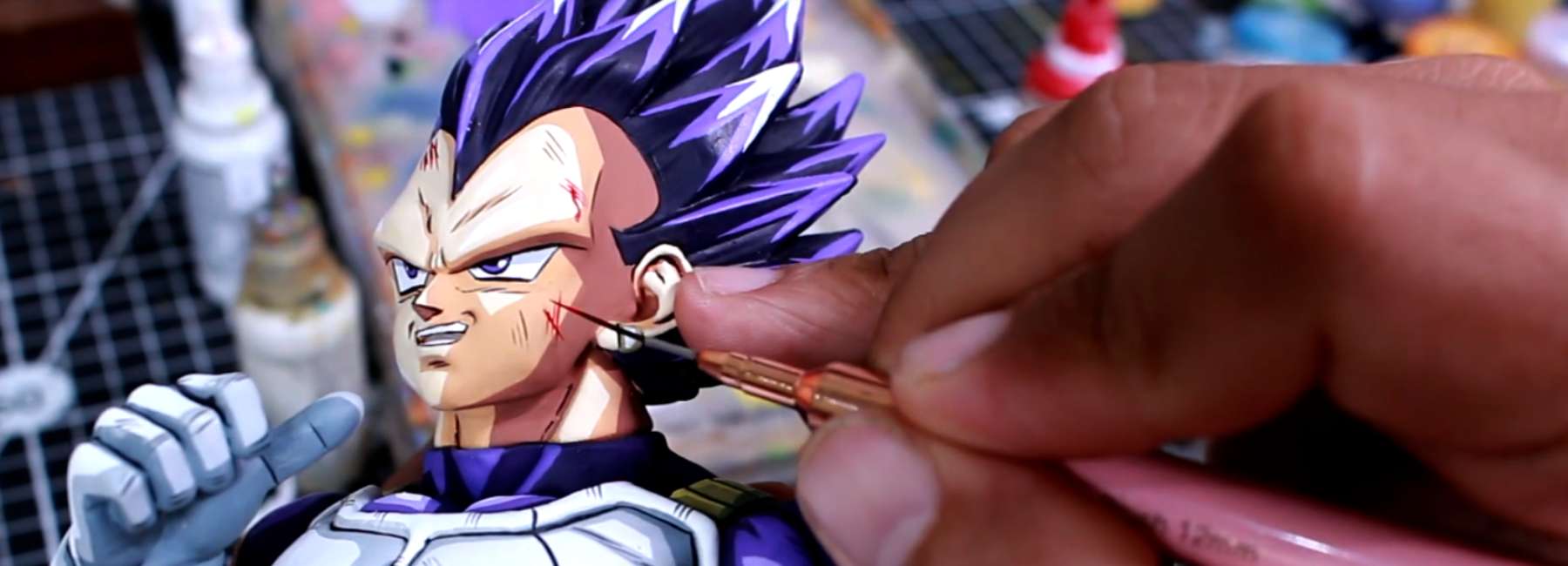
Quick Answer: The best Dragon Ball figure repaint course for beginners is one that walks you through a complete, real repaint from start to finish, covers every stage in the right order, and does not assume prior experience.
If you have ever sat down to repaint a Dragon Ball figure and felt overwhelmed by where to start, you are not alone. Most beginners hit the same wall.
YouTube tutorials cover bits and pieces. Forum posts give conflicting advice. Books explain the theory but not the actual process. By the time you have stitched together enough information to feel ready, you have already made expensive mistakes on a figure you cared about.
A proper repaint course solves that problem. One structured walkthrough. One complete figure. Every stage in the right order, with no guessing about what comes next.
Table of Contents:
- What makes a great Dragon Ball figure repaint course?
- Why a structured course beats free alternatives?
- 2D Figure painting course
- What you actually learn inside the course?
- Who the course is built for?
- Real results from the course method
- How the course compares to alternatives?
- Frequently asked questions
What Makes a Great Dragon Ball Figure Repaint Course?
Not every painting course is built for the figure repainting community, and almost none are built specifically for the Dragon Ball anime-style finish. A great Dragon Ball figure repaint course needs to deliver on six specific criteria.
1. Walks you through a complete, real figure
- Not theory
- Not isolated technique demos
- Genuine, start-to-finish repaint of a recognisable Dragon Ball characters
- Filmed from the first prep stage through to the final reveal
2. Uses the cel-shaded anime style as the target finish
- Illustrated characters
- Bold colour, sharp shadow placement, and clean line work to read properly
- A general miniature painting course will not teach you that finish
3. Assumes no prior experience
- A beginner course should not require you to already know what zenithal priming is
- What wet palette means, or which brush size handles eye work
- It should explain everything as it comes up
4. Covers every stage in the right order
- Skip a stage and the rest falls apart
- The course should follow the natural workflow: prep, prime, base coat, shading, layering, details, sealing
5. Short enough to actually finish
- Eight-hour courses sound thorough but rarely get completed
- A focused, beginner-friendly course should respect your time and stay around 90 minutes total
6. Uses tools and paints you can actually buy
- The recommendations should be specific, accessible, and affordable for someone just starting out — not a wishlist of professional studio gear
NOTE: If a course misses any one of these, it is not the right starting point for a beginner aiming at Dragon Ball figures specifically.
Why Structured Course Beats Free Alternatives?
Most beginners try to learn figure painting from free sources first. That is understandable, but it usually slows progress significantly. Here is how the alternatives actually compare to a structured course.
YouTube tutorials
What you get
Where it falls short
Painting forums & Reddit
What you get
Where it falls short
General painting books
What you get
Where it falls short
Trial and error
What you get
Where it falls short
Structured beginner course
The direct path to a finished figure
What you get
Where it falls short
The free options are not bad. They are just inefficient because a typical beginner who relies on YouTube alone spends three to six months piecing together a workflow that a structured course delivers within an hour.
During those months, they ruin figures, develop bad habits, and often give up before producing anything they are proud of. A focused course removes that friction. You watch one process, follow it on a real figure, and get cleaner results on your first attempt than most beginners get on their fifth.
Our Online 2D Figure Painting Tutorial
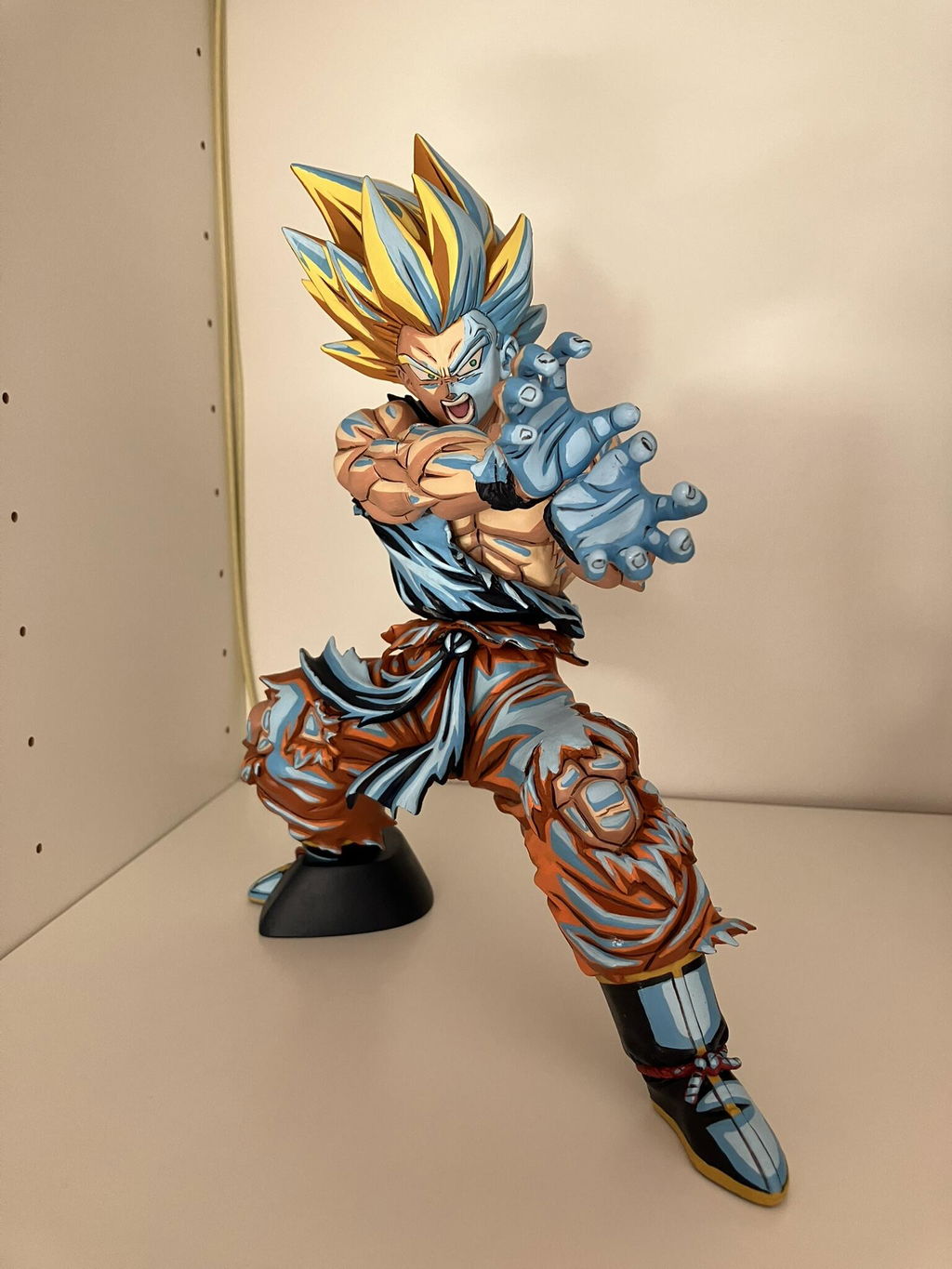
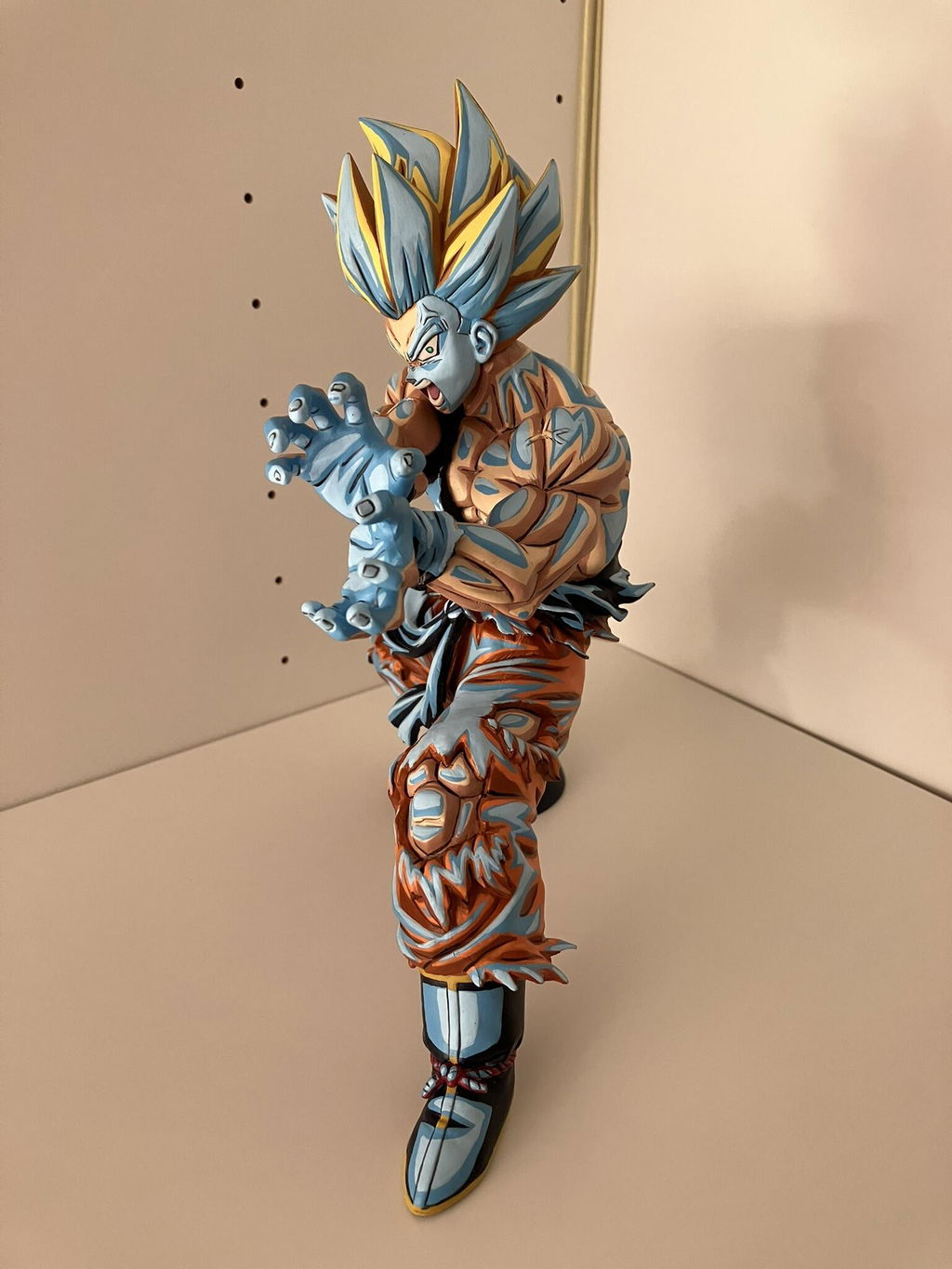
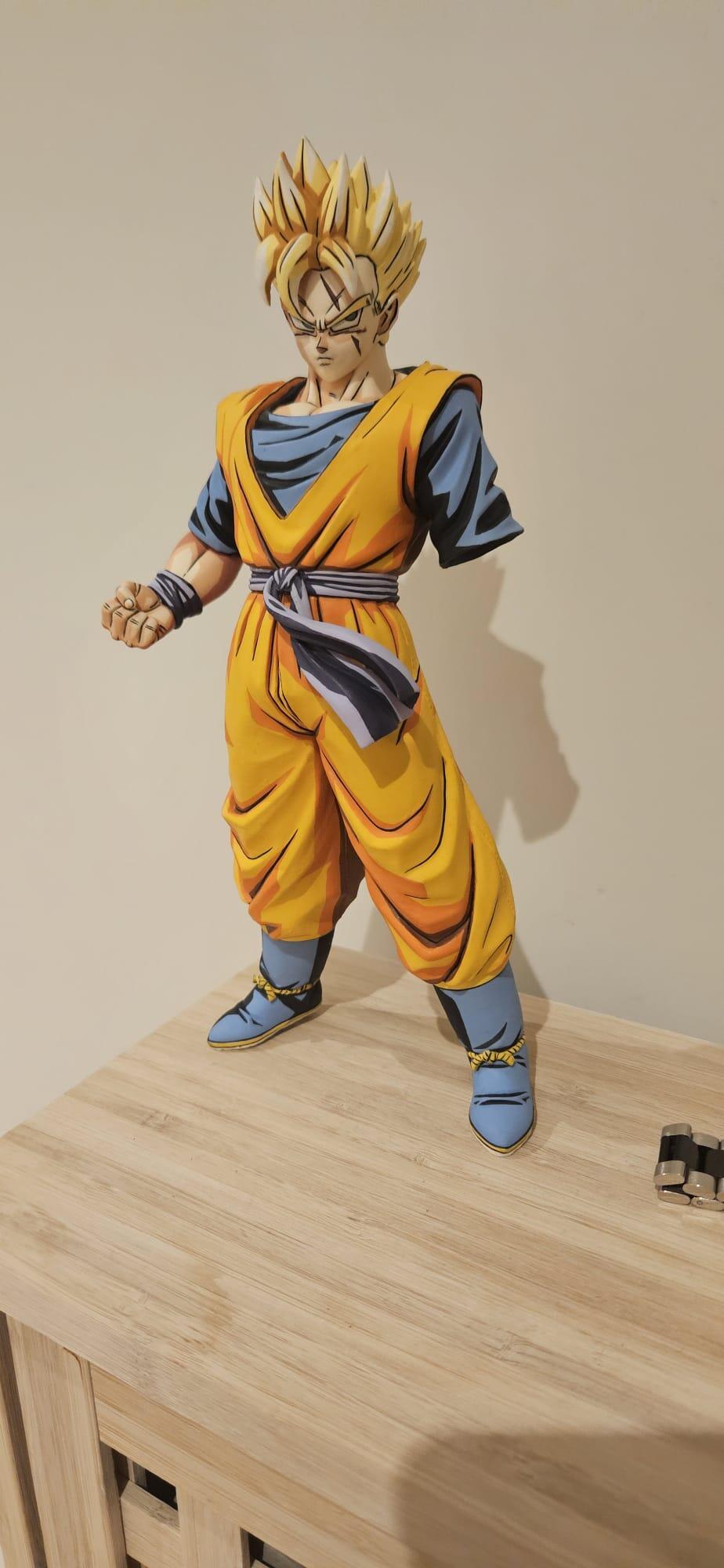
The 2D Figure Painting Tutorial was built by the same studio that produces high-end Dragon Ball figure repaints for collectors worldwide.
Rather than abstract theory, it documents the exact process the studio uses on real customer commissions — applied to a complete Vegeta repaint that you follow from start to finish.
Course at a glance:
- 12 focused chapters
- Around 55 minutes of pre-recorded video
- Hosted on the 2D Figure Painting website
- Lifetime access, instant email delivery
- Beginner-friendly throughout, no prior experience required
Why it stands out for Dragon Ball specifically:
Most paid painting courses target the broader miniature hobby — Warhammer, fantasy figures, historical models. Our repainting tutorial is built around the cel-shaded, anime-accurate finish that Dragon Ball figures actually need. That difference matters.
Cel-shading is a fundamentally different visual language from realistic miniature painting, and a course that teaches Warhammer techniques will not produce a Vegeta that looks like Vegeta.
What does the course deliver in plain terms?
- A complete repaint workflow you can replicate on any Dragon Ball figure
- The exact tools and paints used, with no guesswork about what to buy
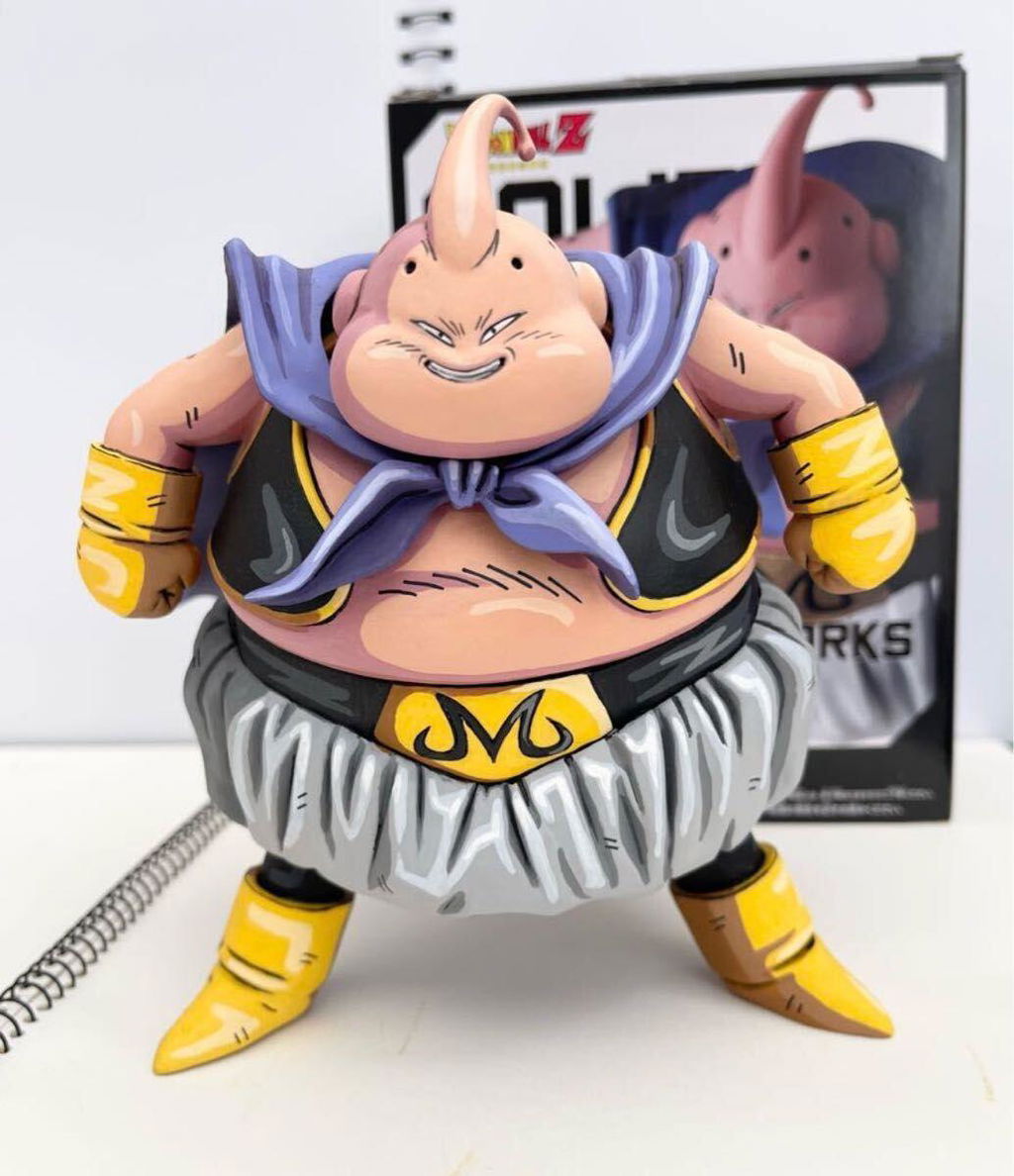
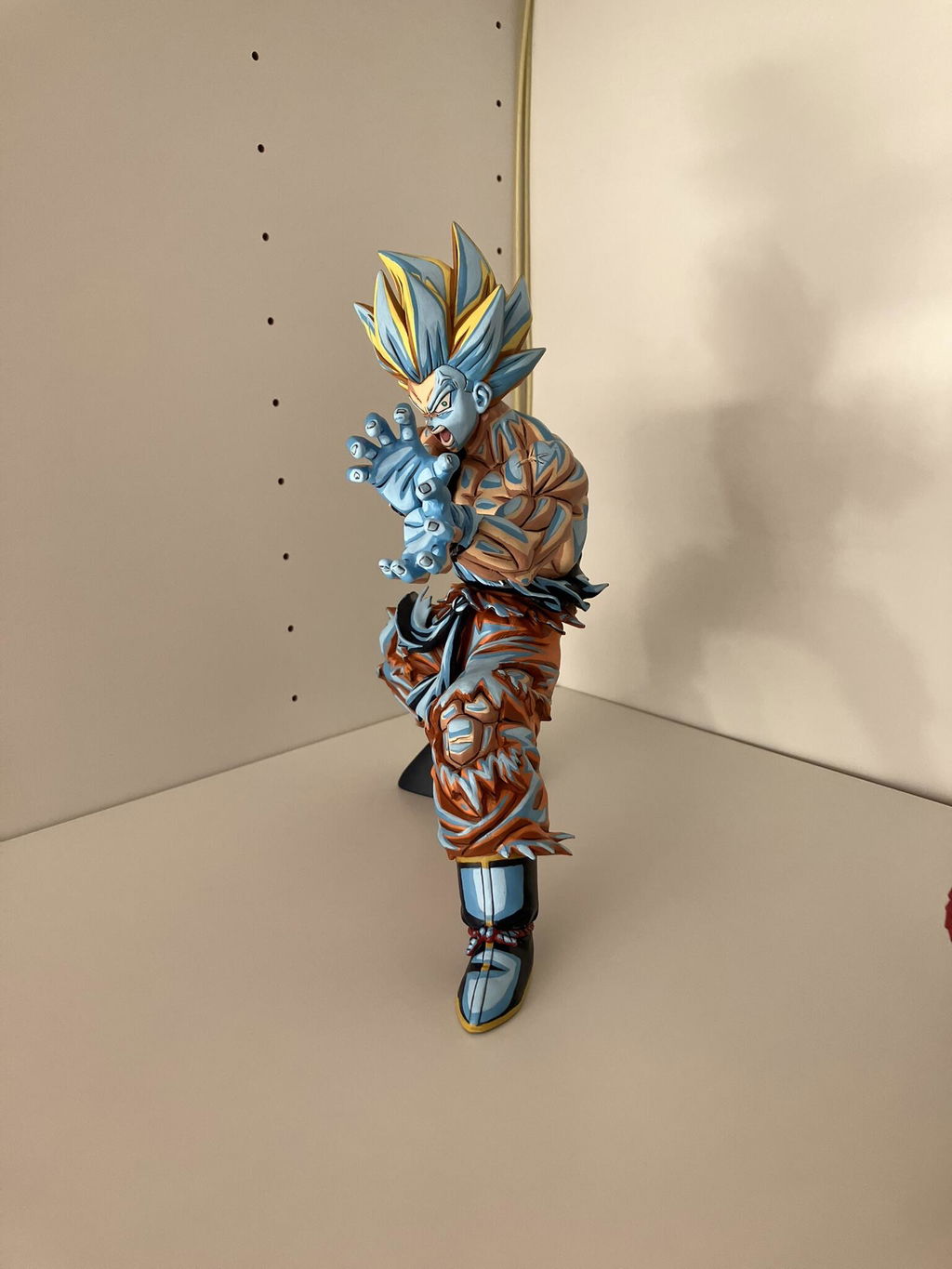
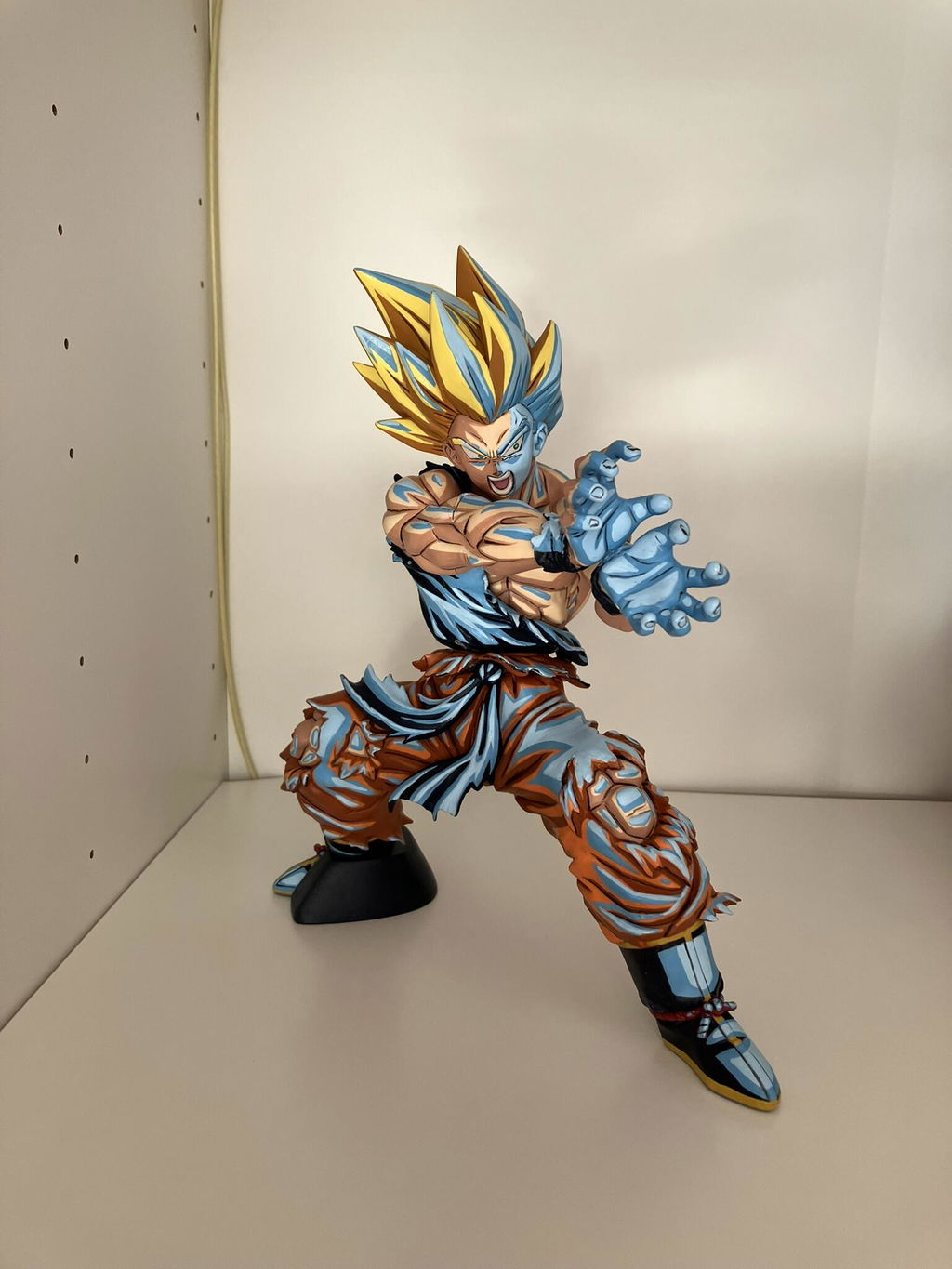
- The cel-shaded anime finish that defines high-quality Dragon Ball repaints
- A structured order that prevents the most common beginner mistakes
- Clear visual demonstrations of every stage, not just verbal instruction
The course assumes nothing. If you have never held a brush, you can still follow it. If you have a few repaints behind you, you will find it sharpens specific stages — particularly cel-shading, light placement, and face detailing.
What You Actually Learn Inside the Course?
The course is broken into 12 sequential chapters, each focused on a specific stage of the repaint process.
✅ Chapter 1: Before & The Goal
- A look at the figure you will be working on and the finished result you are working toward
- This chapter sets expectations clearly
- You see exactly what the course is going to produce before any paint goes down
✅ Chapter 2: Course Intro
- A short introduction to the course structure
- What to expect
- How to follow the lessons
✅ Chapter 3: Before the Repaint
- A study of the original Vegeta figure
- What to look at
- What details to plan around
- How to prepare mentally for the repaint
✅ Chapter 4: Tools, Paints & Materials
- The complete tool and paint list
- Brushes, paints, primer, varnish, and supporting materials, all specified clearly
✅ Chapter 5: Priming the Figure
- How to prepare the surface and create a clean base for paint to bond properly
✅ Chapter 6: Base Coats
- Blocking in the main colours across the hair, skin, and outfit
- The foundation that every later technique builds on
✅ Chapter 7: Upper Body Painting
- Building cleaner coverage across the chest, shoulders, arms, and torso
✅ Chapter 8: Lower Body Painting
- Painting the legs, boots, and hands so the full figure feels consistent
✅ Chapter 9: Light Direction & Shadow Planning
- Mapping where the darker and lighter areas should sit before applying any shadow paint
This is one of the most valuable chapters in the course. Most beginner repaints fail because the shadow placement is inconsistent — this chapter solves that directly.
✅ Chapter 10: Main Body Shadows
- Applying depth, contrast, and structure across the figure using the cel-shaded anime style
✅ Chapter 11: Hair, Armour & Secondary Details
- Refining the key details that strengthen the overall look — hair segmentation, armour edges, and small accents
✅ Chapter 12: Eyes, Line Work & Final Details
- Bringing the face, expression, and small details to life
- The stage that determines whether the figure feels like Vegeta or just a generic painted toy
🔥 Bonus: Cleanup & Final Reveal
- Final refinements, sealing the finish, and revealing the completed repaint

Who Is the Course Built For?
The course is genuinely designed for beginners. That is not a marketing line — the structure, pace, and explanations all reflect it.
👌 This course is the right fit IF:
- You have never repainted a figure before and want a clear starting point
- Your previous results look messy, flat, or inconsistent
- You want the clean anime-style finish that defines high-end Dragon Ball repaints
- You want a complete system rather than scattered tips
- You are tired of YouTube tutorials that skip the parts you actually need
- You want to invest in your skill without buying twenty figures' worth of mistakes
🧱 This course is probably not the right fit IF:
- You are already painting at a professional commission level and looking for advanced effects only
- You want to focus on Warhammer-style realism rather than anime-style cel-shading
- You prefer learning through trial and error rather than structured instruction
- You are not interested in Dragon Ball or anime-style figures specifically
For the beginner-to-intermediate Dragon Ball collector, the course fills a gap that no other product on the market addresses directly.
Real Results From the Course Process
The course teaches the exact process that 2D Figure Painting uses on real customer commissions — figures that sell for £200 to over £300 each across the studio's collection.
That is the benchmark the method is built around. Not abstract painting theory. Not aspirational ideals. The actual workflow that produces the figures collectors are paying premium prices for.
Results students have reported:
"I had never painted a figure before, so I expected to mess it up badly. The way the course breaks everything down made it feel much easier to follow, especially the setup, paint consistency, and shading parts. It actually gave me a clear starting point instead of random advice." — Billy, Beginner Collector
"What I liked most was that it did not feel like theory. You can see the real process, step by step, and that made a big difference for me. The sections on shadows, highlights, and final details helped me understand how to get closer to that proper anime look." — Marco, First-Time Painter
"I had watched random painting videos before, but this felt much more structured. Instead of guessing what comes next, I could follow a full process from prep to final reveal. It made the whole repainting side feel way less overwhelming." — Daniel, DBZ Figure Fan
The common thread across reviews is structure. The course works because it removes the guesswork — beginners stop trying to figure out what to do next and start focusing on doing it well.
How Does the Course Compare to Alternatives?
Here is how our figure painting tutorial stacks up directly against the most common alternatives for beginners.
| Feature | 2D course | YouTube | Books | Forums |
|---|---|---|---|---|
| Complete start-to-finish | ✓ | ⚠ | ✕ | ✕ |
| Anime / cel-shaded focus | ✓ | ⚠ | ✕ | ⚠ |
| Beginner-friendly | ✓ | ⚠ | ⚠ | ✕ |
| Structured chapters | ✓ | ✕ | ✓ | ✕ |
| Real Dragon Ball figure | ✓ | ⚠ | ✕ | ⚠ |
| Tools & materials | ✓ | ⚠ | ⚠ | ✕ |
| Time commitment | 55 mins | Variable | 5–20 hrs | Open-ended |
| Lifetime access | ✓ | ⚠ | ✓ | ⚠ |
| Direct support | ✓ | ✕ | ✕ | ⚠ |
The comparison is not designed to suggest the alternatives have no value. YouTube tutorials are great for picking up isolated techniques. Books deepen understanding once you already know the basics. Forums build community.
But for a beginner starting from zero and aiming at a clean Dragon Ball repaint, none of those options matches a structured course built specifically for the goal.
Repainting Method FAQs
Is the 2D Figure Painting guide suitable for complete beginners?
Yes. Our standard course is built specifically for people starting from zero. It walks through every stage from setup to final finish, explains all tools and materials, and never assumes prior experience.
What do I need before I start the course?
You need a Dragon Ball figure to paint, a few basic tools, and acrylic paints. The course shows the exact setup and materials used, including a recommended Vegeta course figure if you want to follow the exact same repaint.
How long is the course?
Around 55 minutes total, broken into 12 focused chapters. Each chapter covers one specific stage of the repaint, so the full process feels easy to follow without becoming overwhelming.
How is the course delivered?
The course is hosted on the 2D Figure Painting website. After purchase, an email confirmation arrives within minutes with your access link. You log in to the learning platform and start watching immediately.
Can I watch the course at my own pace?
Yes. The course is self-paced with lifetime access. You can work through it in one sitting, spread it across several painting sessions, or revisit specific chapters whenever you need to refresh a technique.
Will the course help me get the anime-style finish?
Yes. The course is built specifically around the cel-shaded 2D anime finish that defines high-quality Dragon Ball repaints. Shading, highlights, line work, and final details all target that visual style directly.
Do I need expensive tools to follow the course?
No. The course shows a simple, affordable setup that works for beginners. You do not need premium brushes, an airbrush, or specialist studio equipment to get good results from the method.
What if I have already painted a few figures?
The course is still useful. Beginners with some experience often find that specific stages — particularly cel-shading, light planning, and face detailing — sharpen significantly after working through the course.
Will the course work for figures other than Vegeta?
Yes. The exact same workflow applies to Goku, Gohan, Trunks, Piccolo, Frieza, and any other Dragon Ball character. The Vegeta repaint is the example, but the process transfers across the entire roster.
Is there a refund policy?
Because the course is digital and accessible immediately on purchase, refunds are not issued after access has been granted. The course details are presented in full on the product page so you can review exactly what is included before buying.
Conclusion: Figure Repaint Course for Beginners
For beginners aiming at the clean, anime-style finish that defines high-quality Dragon Ball repaints, the Figure Painting Course is the strongest dedicated option currently available.
It does what free alternatives cannot. It delivers a complete, structured, start-to-finish repaint walkthrough on a real Dragon Ball character, taught by a studio that produces collector-grade work for paying customers worldwide.
The 55-minute runtime makes it actually finishable. The 12-chapter structure removes the guesswork. The Vegeta repaint gives you a real figure you can follow along with. And the lifetime access means you can revisit any stage as your painting skill grows.
If you have spent months stitching together YouTube tutorials, struggled with messy results, or felt overwhelmed by where to start - this is the course built specifically for that problem - join the industry and learn how to paint.
Share:
Why Are Anime Figures Hand Painted?