
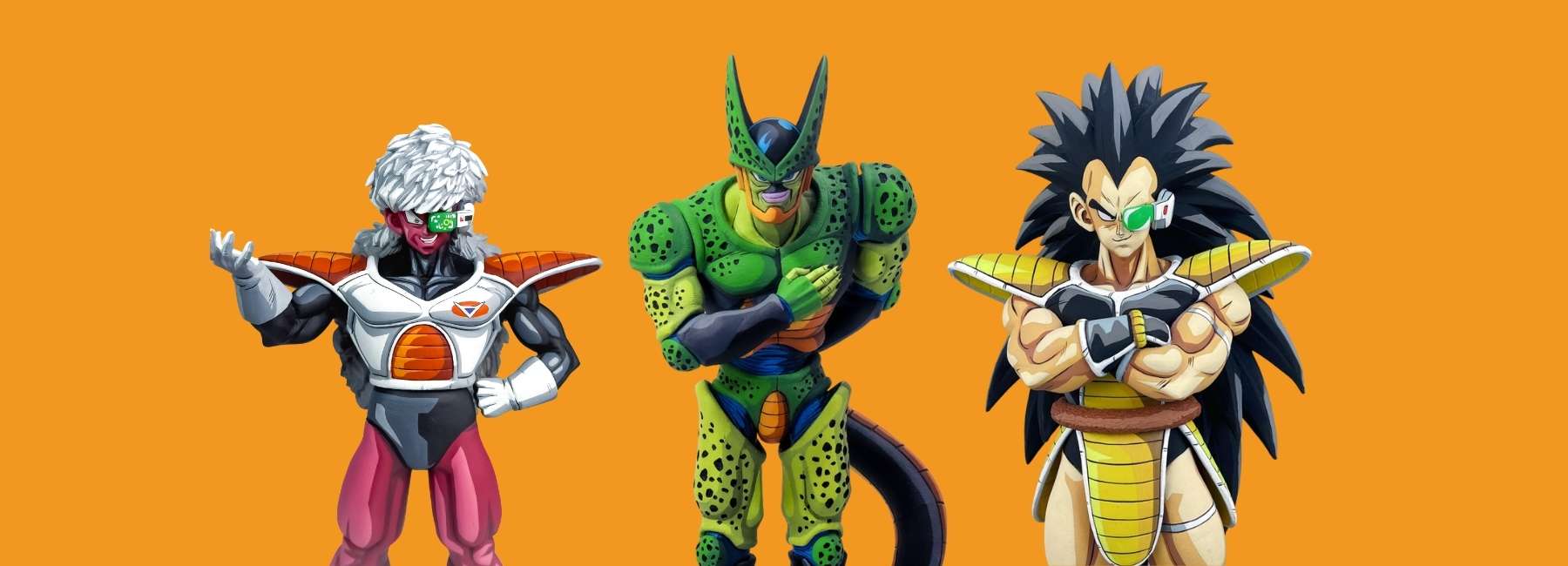
Quick Answer: Anime figures are hand painted because mass production cannot replicate the cel-shading, fine detail and anime-accurate colour that really define high-quality collector pieces. e.g., Hand painting captures the feeling of the cartoon - the bold shadows, sharp edges and character expression - in a way no factory line can match since hand-painted figures are the closest physical form of the source material.
What specific moment do Dragon Ball fans recognise?
If you watch a Goku battle scene — the one with the bold shading, the sharp lighting, the colour that punches off the screen — and then you pick up the factory figurine that is supposed to represent it.
The figure is fine. The detail is there. But the feeling is not. The figure does not look like the cartoon. It looks like a plastic version of something that should feel alive.
Table of Contents:
- My honest reason hand-painted figures exist
- What factory paint actually misses?
- The cel-shading problem mass production cannot solve
- The face: where the difference is most obvious
- Anime figures vs factory figures
- Why hand-painted figures cost more than factory figures?
- What figures are made of?
- Who actually commissions hand-painted figures and why?
- The cultural shift toward hand-painted collecting
- The future of hand-painted anime figures
- Frequently asked questions
My Honest Reason Hand-Painted Figures Exist
In my opinion, hand-painted anime figures exist because watching the cartoon and owning the figure are supposed to feel like the same experience — and with factory paint, they do not.
✨ The gap that built our studio:
When we started 2D Figure Painting in 2022, the original motivation was simple. We saw the great Goku battle moments — the ones every Dragon Ball fan has rewatched dozens of times — and we wanted figures that captured that feeling.
The original figures on the market were okay. The paint was okay. But "okay" is not what Dragon Ball fans want for their shelves. They want the figure to feel like the anime and manga, not like a generic licensed product. The whole point of hand painting is to close that gap. To make the figure pop off the shelf the same way the character pops off the screen.
The passion, the excitement, the love for the cartoon — those things deserve to be reflected in the figure that represents them. Mass production cannot do that. The reasons are technical, economic, and artistic, and the rest of this article covers each one in detail.

What Factory Paint Actually Misses?
Factory paint on anime figures has a specific set of limitations that most casual buyers never notice — until they own a hand-painted figure for comparison, at which point the difference becomes impossible to unsee.
✨ Factory paint is optimised for speed and consistency, not character.
A factory line figure cannot stop to consider whether Vegeta's brow is angled correctly. It cannot mix a slightly warmer skin tone for the cheekbones. It cannot pause to apply a sharp edge highlight along the chest armour at exactly the right angle. The line moves, the paint goes on, the figure ships.
The result is technically a painted figure. But the choices that make a figure feel alive — the small decisions made by an artist who understands the character — are missing.
✨ The Differences Factory Paint Cannot Replicate:
- Anime-accurate colour mixing — acrylic paints come from a fixed palette, not from custom mixes matching the actual anime
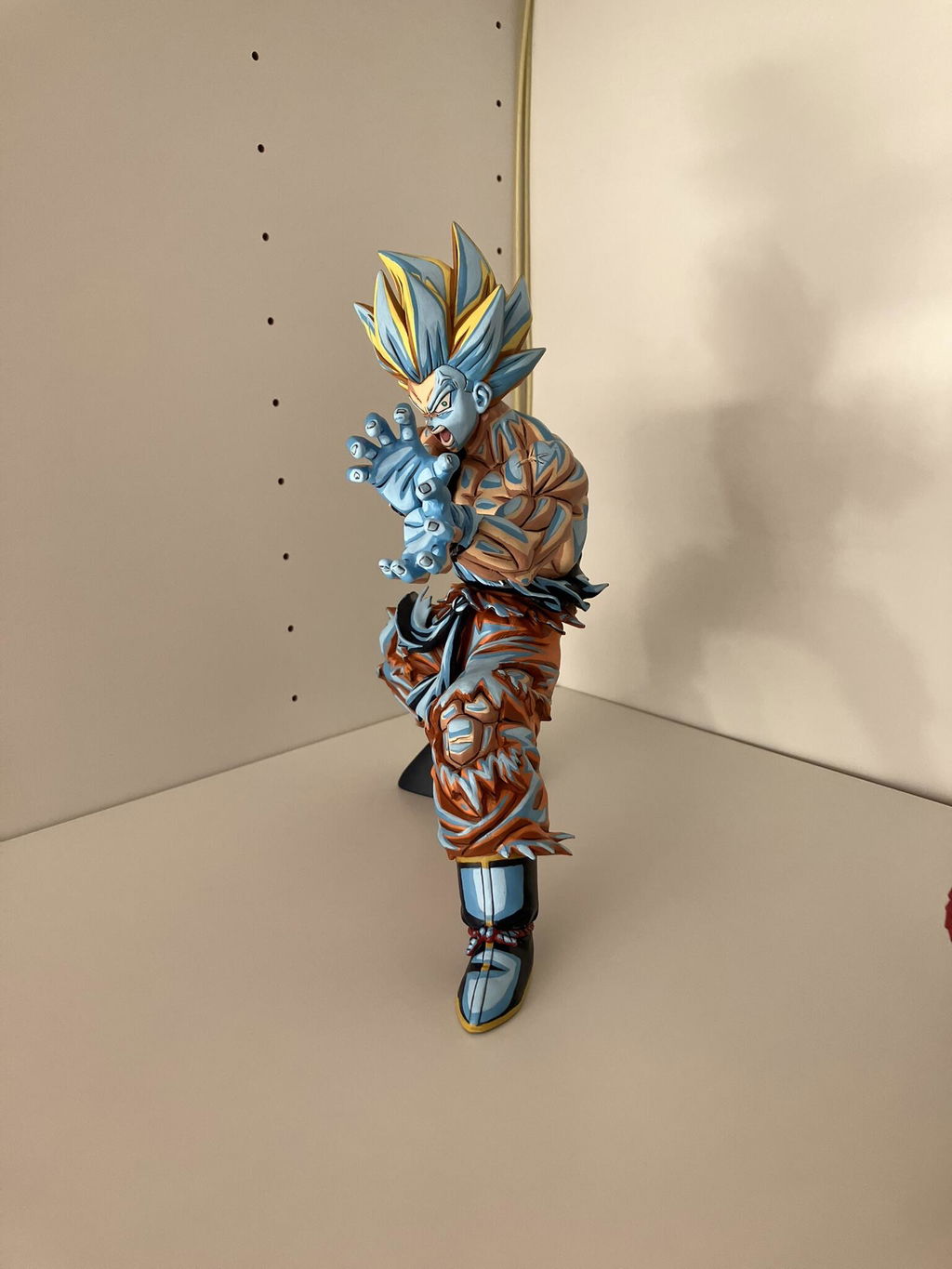
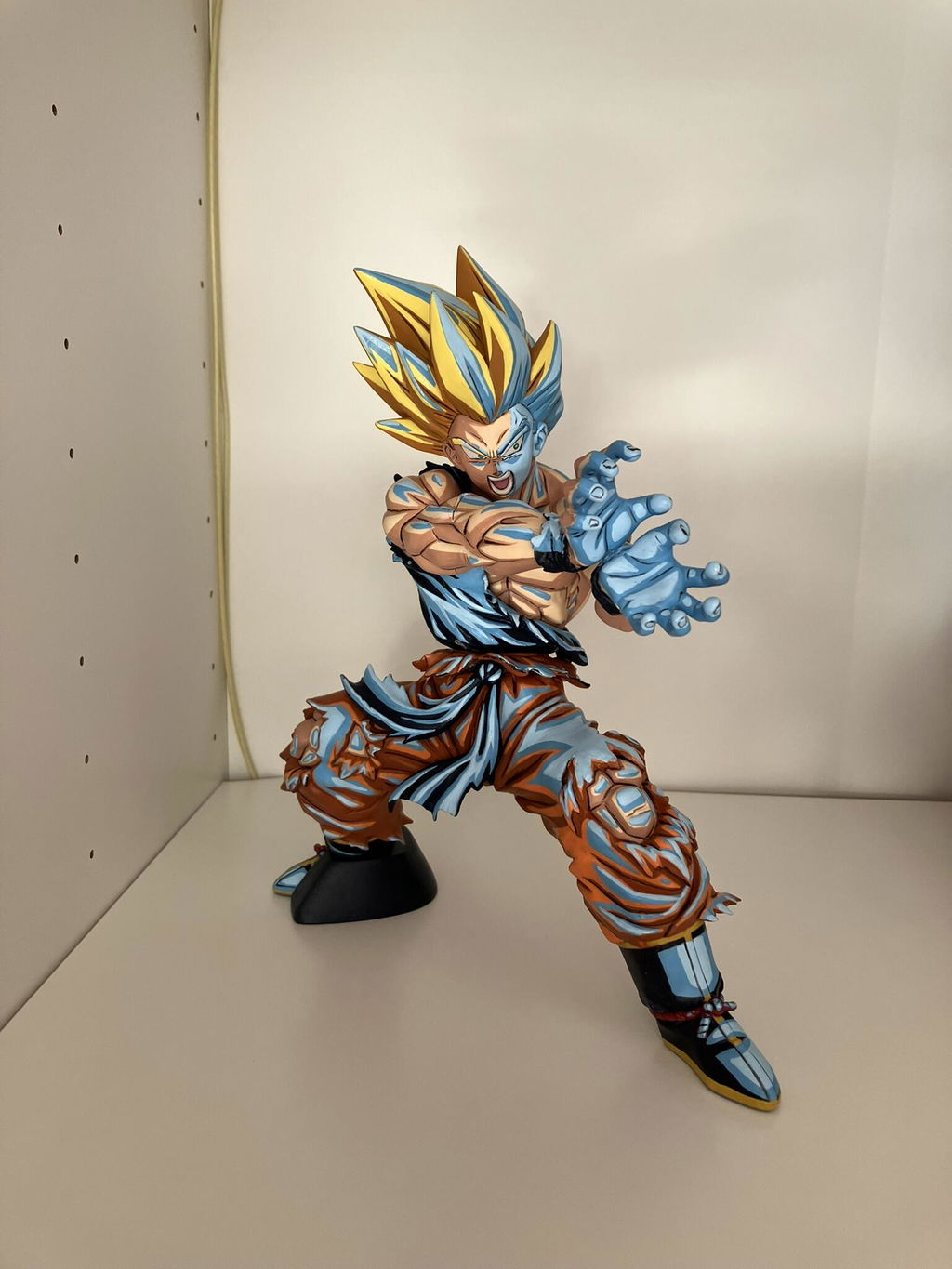
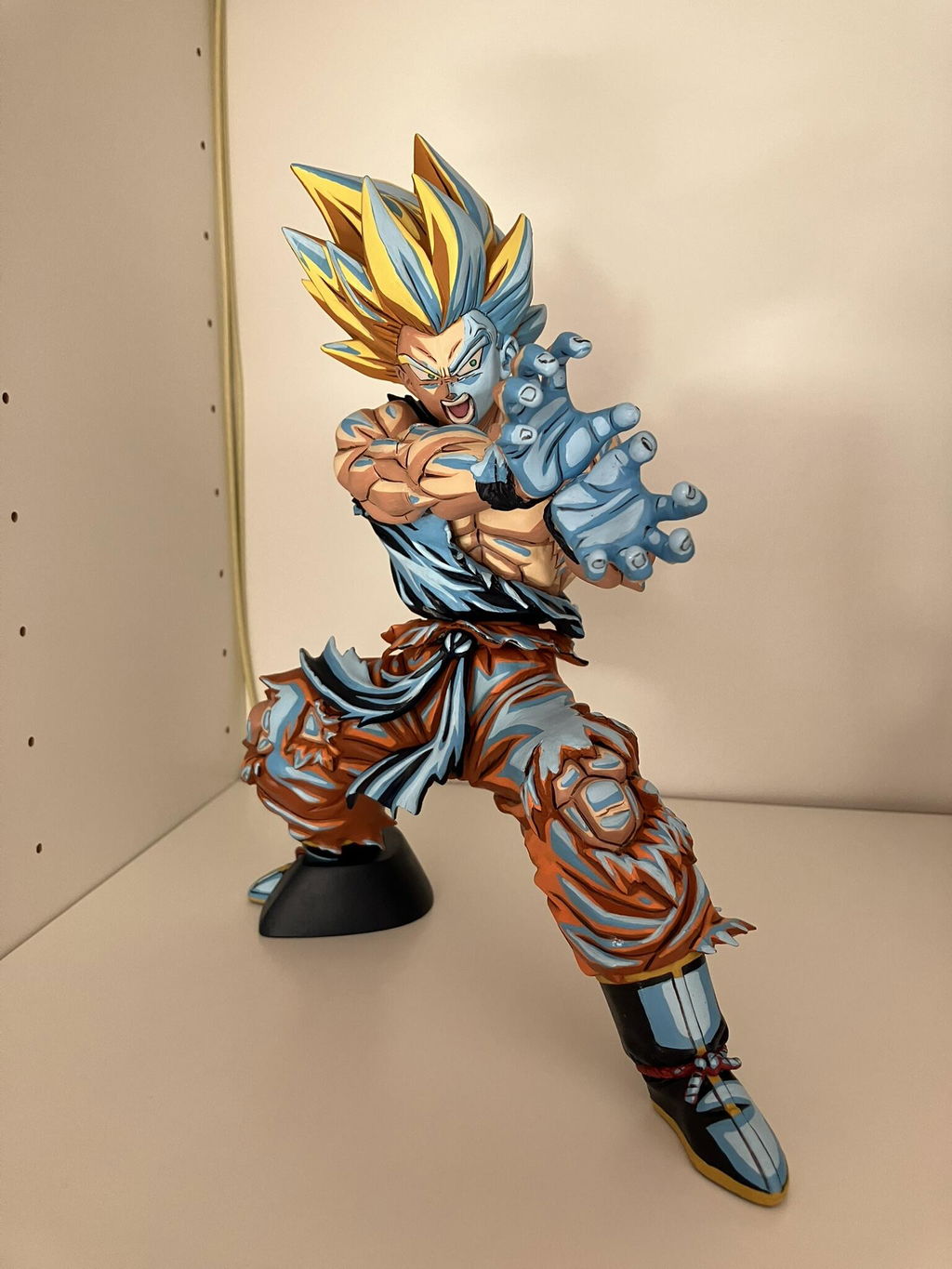
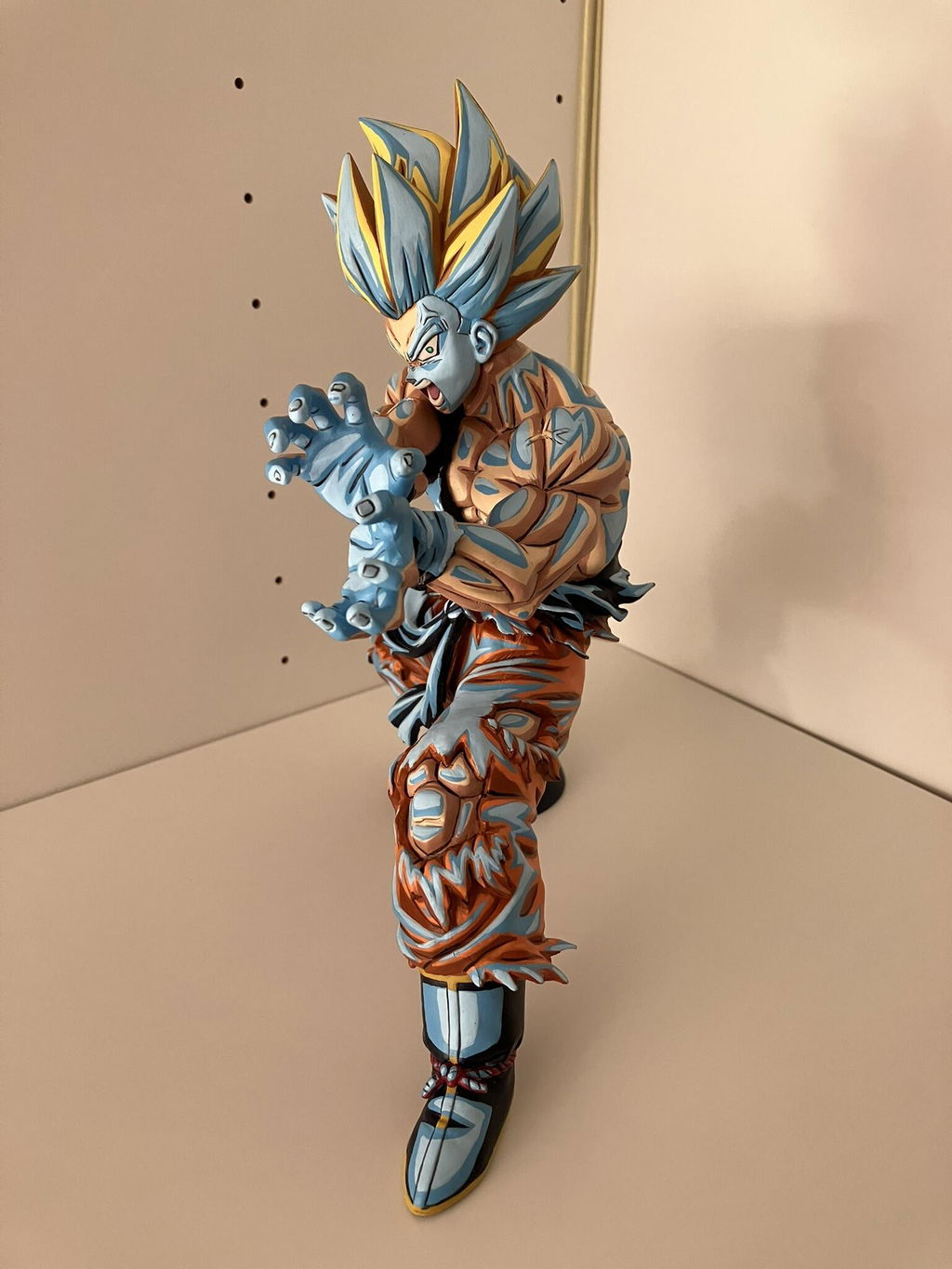
- Cel-shading shadow placement — sharp, deliberate shadow shapes painted by hand on every figure
- Edge highlighting — clean lighter tones applied to the highest edges, catching light the way it would in the anime
- Face detailing — eyes, pupils, eyebrows, mouth lines all painted with specific intention for the character
- Battle damage and weathering — bespoke effects added to match specific scenes or moments
- Multi-layer depth — six to eight layers of paint building up structure that single-pass factory painting cannot achieve
A factory figure has paint on it. A hand-painted figure has technique on it. Those are very different things once you have seen them side by side.
Cel-Shading Problem: Mass Production Cannot Solve
If there is one technical reason hand painting matters for anime figures, it is cel-shading. The visual language of anime depends on it, and the figures that capture the anime properly use it too.
✨ What is Cel-Shading:
- The technique that gives anime its distinctive look
- Bold blocks of colour
- Sharp shadow shapes
- Clean transitions
- No soft gradients
✨ Why Mass Production Can't Do it:
Cel-shading requires deliberate brush placement on every shadow shape. A painter looks at the figure, decides where the shadow goes, and applies it with sharp edges.
A factory line cannot make those decisions. It can apply flat colour. It can apply a uniform wash. It cannot place sharp, character-specific shadow shapes that match the anime.
✨ Where the Difference Shows Up:
Dragon Ball characters reveal the gap most obviously, because the bold cel-shaded look is core to the visual identity.
- A mass produced Vegeta has flat colour on the bodysuit
- A hand-painted Vegeta has cel-shaded shadows along the underside of every muscle group
- Each shadow is sharply defined and deliberately placed
- The result is the difference between a figure that looks like plastic and a figure that looks like Vegeta
✨ Why it Affects Pricing:
Cel-shading is real artistry. It takes hours of skilled brushwork that no factory can shortcut. This is why hand-painted figures legitimately cost above £200 for quality work. The price reflects what the work actually involves, not arbitrary markup.

The Face: Where the Difference Is Most Obvious?
If you only look at one part of a figure to judge whether it has been hand painted, look at the face. It is where character lives. Goku's openness, Vegeta's intensity, Gohan's quiet determination, Trunks' calm focus — all of it is carried in the eyes, the brow, the mouth, the subtle skin tones. Factory paint gets the face roughly right. Hand-painting gets the face authentic to the source.
✨ The Hand-Painted Face Contains:
- Eyes: painted in sequence white sclera, coloured iris, dark pupil, sharp eye outline, tiny specular highlight that makes the eye look alive
- Eyebrows: painted with deliberate angle and shape to capture the character's expression
- Skin tones: with subtle warmer highlights on the cheekbones, nose bridge, and chin
- Mouth and lip: details painted to match the character's specific look
- Shadow: placement under the chin, in the eye sockets, and along the jawline to give the face dimension
A factory face has eyes. A hand-painted face has expression. Once you see a hand-painted Vegeta scowling correctly, or a hand-painted Goku smiling like he actually means it, the factory version stops being acceptable.
This is the part of the work that takes the most time per square centimetre. The body of a figure might take five hours of skilled brushwork. The face alone can take another two or three. The result is a figure that feels like the character rather than a generic representation of the character.
Hand-Painted Figure vs Factory Figure
Once you know what to look for, the difference between hand-painted and factory-painted figures becomes immediately obvious.
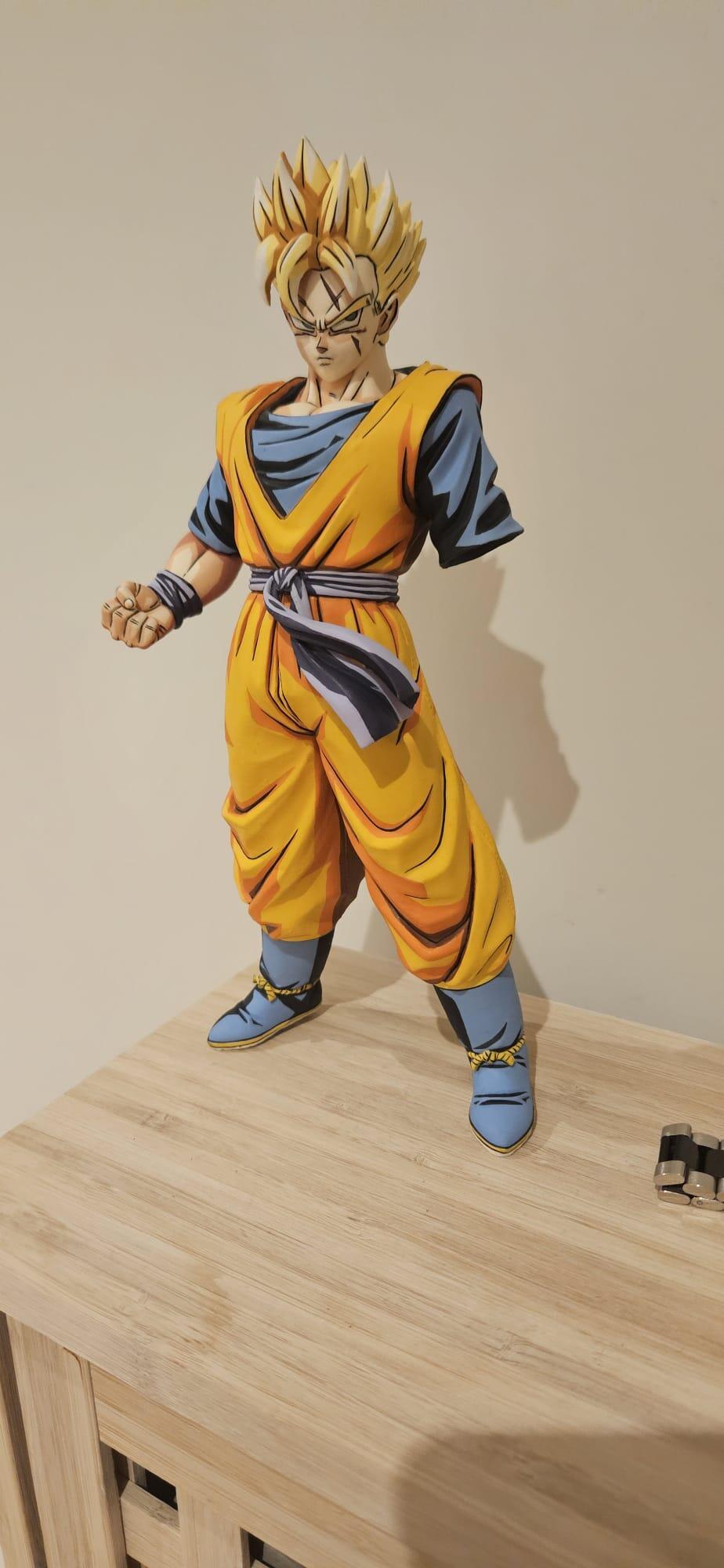
- Sharp cel-shaded shadows — defined shadow shapes painted along the underside of muscles, armour, and hair sections, with clean edges rather than soft gradients
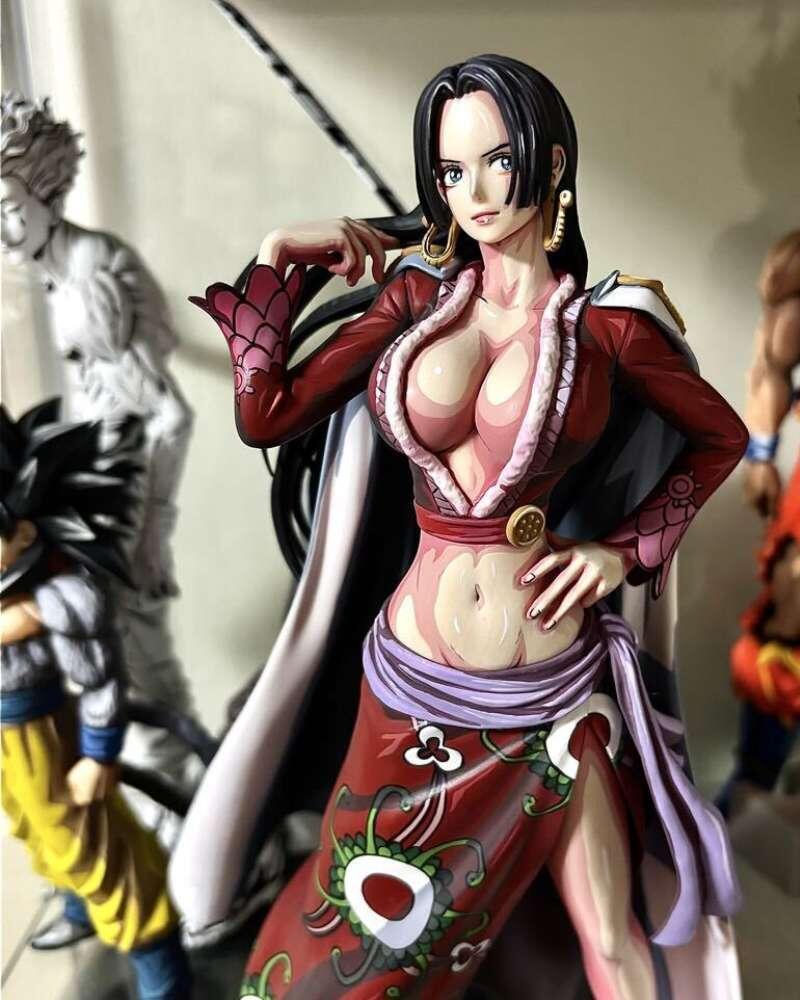
- Detailed face work — visible iris colour, defined pupil placement, clean eye outline, sharp eyebrow shape, and a small specular highlight in the eye that catches light
- Edge highlighting — lighter tones applied to the sharpest edges of armour, hair tips, and muscle ridges, giving the figure visual punch
- Anime-accurate colour mixing — colours that match the source material rather than the generic factory palette
- Multi-layer depth — visible difference between the deepest shadows, mid-tones, and brightest highlights, building structure that single-pass paint cannot achieve

5 Visual Signs of a Factory-painted Figure:
- Flat colour blocks with no cel-shading or shadow placement
- Generic eye work — often a single colour or basic shape, lacking the highlight that makes the eye look alive
- No edge highlights — armour and muscle edges look the same as the surrounding surface
- Standardised colour palette — colours close to the source material but not quite right
- Uniform paint depth — the figure looks like a single layer of paint rather than multiple structured stages
✨ How to Test it Quickly?
- Look at the face first — eye work reveals hand painting most clearly
- Look at the bodysuit or main outfit — sharp cel-shaded shadows or flat factory colour?
- Look at the armour edges — bright highlight catching the light, or no highlight at all?
- Look at the overall depth — does the figure feel three-dimensional, or does it look flat?
A figure that passes all four of these checks is almost certainly hand painted. A figure that fails them is factory work. The difference is not subtle once you have learned to see it, which is also why collectors who own one hand-painted figure usually end up wanting more.
Why Hand-Painted Figures Cost More Than Factory Figures?
Hand-painted anime figures cost more than factory versions for the same reason any bespoke product costs more than its mass-produced equivalent — the work is done by hand, skilled, and time-consuming.
A complete hand-painted figure from an experienced artist takes around a week to two weeks to finish. Not a week of casual work — a week of focused painting across multiple stages, each one requiring skill, patience, and decision-making that cannot be automated.
✨ What is our Repaint Process:
- Preparation and priming — cleaning, sanding, surface preparation
- Base coating — building up the core colours through multiple thin layers, each one drying fully before the next
- Washing and shading — applying depth through controlled dark paint flowing into recesses
- Layering — bringing clean colour back to raised surfaces with sharp definition
- Cel-shading — placing deliberate, sharp shadow shapes that capture the anime look
- Edge highlighting — applying lighter tones to the sharpest edges for visual punch
- Face and eye detailing — the most demanding stage, where the character emerges
- Battle effects, weathering, and bespoke details — character-specific touches that match a particular scene or moment
- Sealing and final inspection — protecting the work and confirming quality
Every stage requires the artist to mix colours, prepare the right paint consistency, apply with control, wait for drying, and assess the result before moving on. Multiply that across a full figure, and the realistic cost of doing the work properly lands at £200 or above for a mid-size piece.
The figures that cost significantly less than this are almost always cutting corners somewhere or are freelancers. Either the artist is inexperienced (and the work shows it), or stages are being rushed, or the studio has hidden costs coming. Quality hand-painted work cannot be cheap, because the work itself is not cheap to do.

What Are Anime Figures Made Of?
The material of an anime figure shapes how hand painting is done and what the finished result looks like.
✨ Main Materials of Anime Figures:
- PVC (polyvinyl chloride) — the most common material for mass-market anime figures. Slightly flexible, mid-weight, good detail. Used by Banpresto, Bandai, and most retail Dragon Ball releases
- ABS (acrylonitrile butadiene styrene) — a harder, more rigid plastic. Often used for joint parts, weapons, and accessories within the same figure
- Resin — used for premium garage kits and high-end collector statues. Captures fine detail better than PVC but is more expensive and brittle
- Polystone — a composite stone-and-resin material. Used for heavy display statues at the premium end of the market
✨ Why the Material Matters for Hand Painting:
- PVC figures need thorough cleaning before priming to remove mould release agents
- ABS holds paint exceptionally well and works particularly cleanly with cel-shading
- Resin captures finer detail than PVC, which shows hand-painted work more clearly
- Each material requires slightly different primer, paint flex tolerance, and sealing approach
For most hand-painted Dragon Ball commissions, the base figure is PVC — affordable, widely available, and forgiving under skilled brushwork. The material itself is not what makes the figure special. The hand painting is. But the right material choice gives the painter the canvas they need to do the work properly.
Who Actually Commissions Hand-Painted Figures and Why?
The customer base for hand-painted anime figures is more specific than most people assume. The majority of our customers sit between 30 and 40 years old. They are established adults — people who watched Dragon Ball, One Piece, Naruto, or other major anime as kids in the 1990s and early 2000s, who have the income now to invest in their hobbies, and who are building either a dedicated collection or a personal display space, often a man cave or home office.
These are not casual buyers. They are people who understand anime, who appreciate the craft, and who want their figures to reflect the quality of the source material rather than the convenience of mass production methods.
✨ What Customers Telling Us:
- Anime accuracy — the figure looks like the character does in the cartoon, not a generic licensed version
- Customisation — the figure is theirs, painted to their specific request, not interchangeable with another buyer's
- Uniqueness — it pops on the shelf, becomes a conversation piece, and stands out next to mass-produced figures
- Connection to the source material — the figure captures the passion and feeling of the anime they loved as kids
- The collector experience — owning a hand-painted figure puts them inside the wider collector community that values the craft
Beginnings: Almost all of these customers start with mass-produced figures — around 95% of collectors begin with the original factory releases. As their love for the series grows and their disposable income allows, they move toward hand-painted pieces. The loyalty is significant. Once a customer experiences a hand-painted figure properly, the factory versions start to feel like a step down.
Customer Feedback: We consistently receive feedback that mentions the same thing - the finished figure looks even better in real life than in photographs. The texture, the depth, the cel-shading sharpness, the eye work — none of it fully translates to a phone screen. The figure becomes more impressive once it is in hand, on a shelf, lit properly, and seen the way the artist intended.
The reviews on our Studio Website cover this in the words of actual customers, including specific feedback on how the figures compare to expectations and what owning one feels like compared to owning a factory version.

The Cultural Shift Toward Hand-Painted Collecting
The hand-painted figure space is bigger now than it has ever been, and it is still growing.
The wider anime merchandising market reached USD 12 billion in 2025, with figurines representing over 37% of total revenue, according to Grand View Research.
✨ Where the Market Was in 2022:
- Smaller overall demand
- Fewer studios operating
- Less awareness among casual buyers
- Most anime fans owned factory figures only
- Custom alternatives were rarely considered seriously
Three years later, the space looks completely different.
✨ What is Happening in the Market Today:
- More artists are entering the market every month
- Established studios are scaling their operations
- 3D sculptors are designing original figures from scratch and selling STL files for 3D printing
- Collectors can commission completely custom pieces with no factory equivalent
- The hand-painted segment is becoming its own distinct collector category, growing faster than the wider hobby
✨ The Driver Behind the Shift:
The cause is cultural rather than technical. Anime collecting is no longer niche. The original audience for the major series has grown up — Dragon Ball, One Piece, Naruto, JoJo's Bizarre Adventure, and Demon Slayer fans now have disposable income and a deep emotional connection to the source material. They want figures that honour that connection, not figures that treat the source material as licensed merchandise.
✨ Why this Favour Hand-painted Work Specifically:
Hand-painted figures provide what factory figures structurally cannot — a piece that matches the passion of the fanbase. As that fanbase has grown, the demand for hand-painted work has grown with it.
The Future of Hand-Painted Anime Figures
The next five years will accelerate everything currently happening in the hand-painted figure space.
3 Easy Trends Shaping the Direction:
1). More artists entering the market. As awareness grows, more skilled painters and sculptors are turning their hobby into businesses. This is good for collectors — more choice, more variety, more competition driving quality up.
2.) 3D printing changing the source material. Original character sculpts designed and printed from scratch are bypassing the licensed figure model entirely. Collectors can now commission completely custom pieces with no mass-produced equivalent. This expands the hand-painted space beyond repainting existing figures into producing genuinely unique work.
3.) Wider anime cultural mainstreaming. Anime series that were niche a decade ago are now global cultural events. Dragon Ball, One Piece, JoJo's Bizarre Adventure, Demon Slayer, and others have crossed into mainstream awareness. Every wave of new fans produces a new wave of eventual hand-painted figure buyers as those fans grow up and start collecting seriously.
- What does not change: the work itself. Hand painting will continue to take a week per figure. Cel-shading will continue to require skilled human decision-making. Face work will continue to be the difference-maker. The technology has not arrived that can automate any of this, and there is no real sign it is coming.
What this means for the wider industry: hand-painted figures are not a temporary trend or a passing collector phase. They are the new high-end of the anime figure space, and they are likely to stay there.
👉 Dragon Ball Vegeta Character: Hand Painting Tutorial for Beginners
Frequently Asked Questions
What does "hand painted" actually mean for an anime figure?
Hand painted means the figure has been painted entirely by a human artist using brushes and airbrushes, applying multiple stages of paint, shading, cel-shading, edge highlighting, and face detailing — rather than being painted by a factory line as part of mass production. A hand-painted figure typically takes around a week of skilled work to complete.
Why can a factory not replicate hand-painted quality?
Factory production is optimised for speed and consistency rather than character-specific artistry. Cel-shading, edge highlighting, and detailed face work all require deliberate brush decisions a human artist makes for each individual figure. Mass production lines cannot make those decisions and cannot replicate the technique that defines high-quality hand-painted work.
Why are hand-painted Dragon Ball figures so popular specifically?
Dragon Ball has one of the strongest visual identities in anime — bold colours, sharp shadow placement, expressive character design. The cel-shading style that defines Dragon Ball animation translates particularly well to hand-painted figures and particularly badly to factory paint. Hand painting captures the feeling of the anime in a way factory production cannot.
How long does it take to hand paint an anime figure?
A complete hand-painted figure from an experienced artist takes around one week of focused work. This includes preparation, priming, base coating, washing, layering, cel-shading, edge highlighting, face detailing, sealing, and final quality checks.
The size of the figure also matters — a 30cm Vegeta carries significantly more surface area to paint than a 15cm version, and the timeline scales with it. Each stage requires drying time between layers, which is part of why the work cannot be significantly shortened.
Are hand-painted figures worth the higher price?
For anime fans and serious collectors, yes. The price reflects the actual labour and skill involved in producing the figure properly. Quality hand-painted work costs £200 or above for a mid-size piece because the work itself requires real artistry over multiple days.
Customers consistently report that the figures look even better in person than in photographs, and the experience of owning one is significantly different from owning a factory version.
How do I tell if a figure is genuinely hand painted?
Look at the face first — eye work, eyebrows, and skin tone subtlety reveal hand painting most clearly. Then check for cel-shading on the bodysuit and armour, edge highlights along the sharpest edges, and depth between recesses and raised surfaces. Hand-painted figures have visual depth and definition that factory figures lack.
Who actually paints these figures?
Quality studios work with experienced artists who specialise in figure repainting. At 2D Figure Painting, the studio is run by founders Tom and Tomasz, with painting carried out by skilled artists trained in the cel-shaded anime style. Most strong studios are either single-artist operations or small teams of specialists, rather than large companies with unknown painters.
Will hand-painted figures get cheaper as the industry grows?
Unlikely. The work itself takes a fixed amount of time and skill that does not scale down with industry growth. As more painters enter the market, choice and variety will expand, but the realistic price for quality work will stay in the same range because the labour requirements have not changed and cannot easily be automated.
What is the most important thing a hand-painted figure offers that a factory figure does not?
The feeling of the anime. Factory figures look like licensed plastic products. Hand-painted figures look like the character has stepped out of the cartoon. That experience — the connection between the source material and the figure on your shelf — is what hand painting provides and what mass production fundamentally cannot.
Conclusion: Why Are Anime Figures Hand-Painted
Anime figures are hand painted because watching the cartoon and owning the figure are supposed to feel like the same experience. Factory paint cannot deliver that feeling.
The cel-shading is missing. The colour accuracy is approximate. The face expressions are generic. The edge work is flat. The figure technically represents the character, but the feeling of the character — the passion, the energy, the connection to the source material — is not there.
Hand painting exists to close that gap. It takes a toy figure that would otherwise be acceptable and makes it correct. It captures what mass production cannot. It produces collector pieces that anime fans hold in their hands and immediately recognise as the real version of the character they have loved for years.
For Dragon Ball fans specifically, our Dragon Ball figures collection shows what hand-painted work looks like applied to the characters most fans started collecting for.
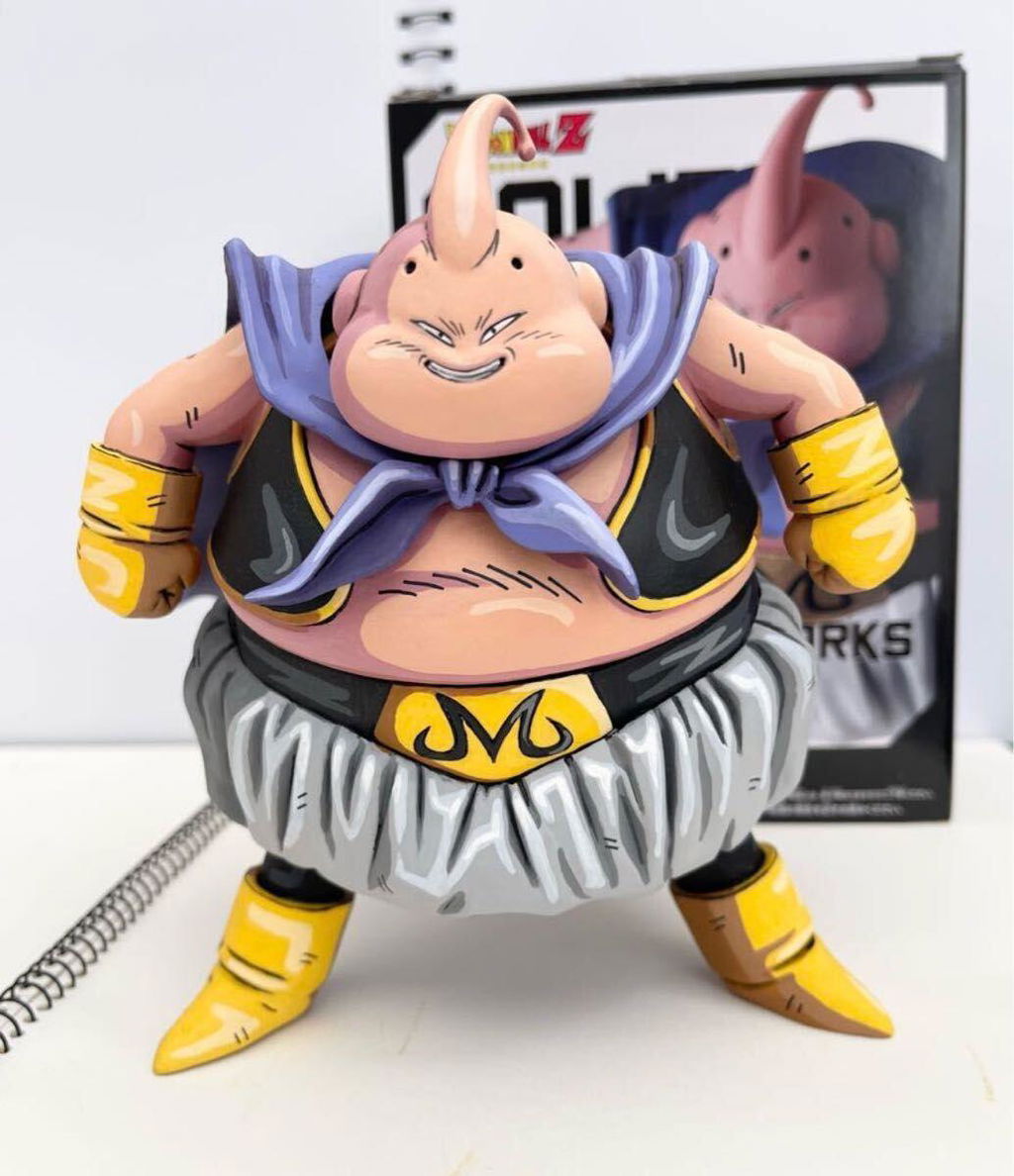
Share:
Figure Painting Workshop: Learn To Repaint Vegeta In 2D Style
Which Is The Best Dragon Ball Figure Repaint Course?